Latest News & Articles
All the news that are relevant for our community
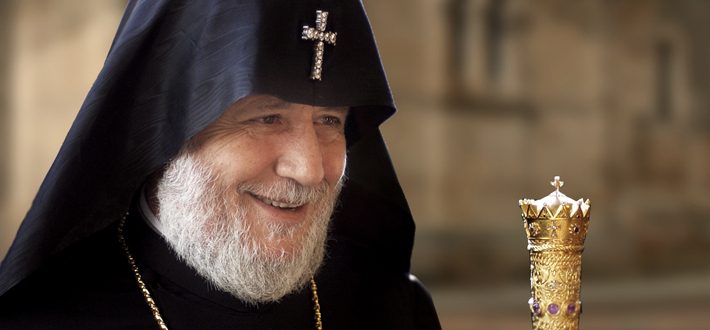
On this miraculous day of the Nativity and Theophany of our Lord Jesus Christ, gathered in our churches, we praise the newborn Savior, conveying the salvific good news to each other “Christ is born and revealed, to you and to us a great tiding”. The graces of the Nativity of our Lord grant the humanity a blessed life anchored in godliness, kindness, truth and justice arm souls in despair over loss and pain, with hope and optimism, bring healing and replenishment to hearts deserted from lack of kindness and love, and strengthen them to face difficulties and overcome …
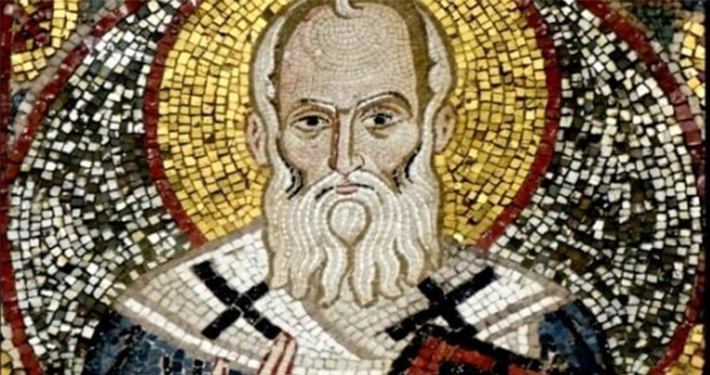
This Saturday, February 1, the Armenian Church commemorates Saint Gregory the Theologian, also known as St. Gregory of Nazianzus, who is considered to be one of the great fathers of the Eastern Church. He was the son of the bishop of Nazianzus in Cappadocia. A great orator, his famous Five Theological Orations were powerful statements of faith and an eloquent defense of orthodoxy that earned him the title “the Theologian.” He also wrote poetry, letters, and with St. Basil compiled a selection of writings by Origen.
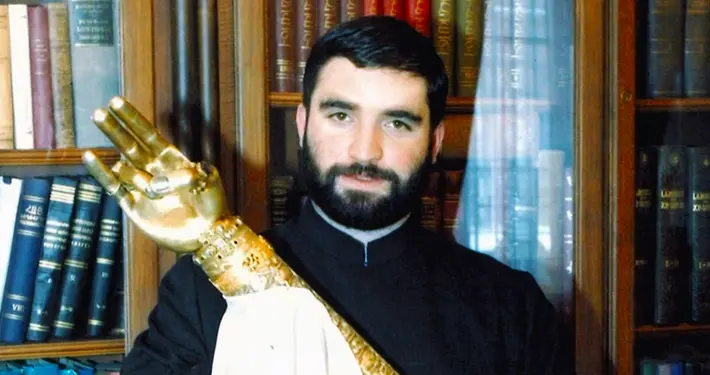
Today, we celebrate the Feast of St. Gregory the Illuminator’s Deliverance from the Pit. Over 1,700 years ago, King Trdat threw St. Gregory into a dark pit near Mount Ararat. It was a prison, a place of suffering, meant to break his spirit. St. Gregory endured unimaginable hardship for thirteen long years, but he never lost his faith. He trusted that God had a plan, even in his darkest moments.
After thirteen years, God sent a vision to King Trdat, leading to Gregory’s miraculous rescue. Not only was Gregory freed, but he also went on to transform Armenia, leading the nation to embrace Christianity. What was meant for his harm, God used for his good and the good of an entire nation.
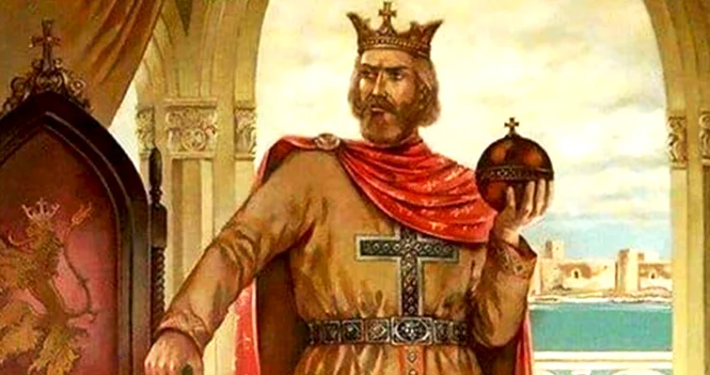
After an existence of almost three centuries, the Armenian state of Cilicia fell in 1375. Levon V was the last Armenian king.
The future king of Armenia, born in 1342 in Sis, was the younger son of Jivan Lusignan, grandson of King Levon III (1270–1289) and of a Georgian mother (or Armenian, according to some sources). His mother and her sons Bohemund and Levon escaped Cilicia in 1345 for Cyprus, fleeing the persecution of King Constantine II (1345-1363).
After the death of his brother Bohemund in 1359, Levon became a pretender to the throne. In 1374, with the support of Pope Urban V and the agreement of Catholicos Constantine V, Levon arrived in Cilicia and was crowned king on September 14, 1374, in the cathedral of …


